Why Does Eating Beef Make My Stomach Hurt
Red meat is widely consumed food all over the world. In fact in some nations it is understood to be the staple food. One of the factors is its easy availability. The meat derived from beef, lamb, sheep and goat is called red meat. Although red meat consists of numerous nutrients and is rich source of protein, there are numerous health associated problems connected to red meat.

In some individuals eating red meat can cause response in the form of stomach pain, diarrhea and numerous other intestinal difficulties. If you experience stomach pain after eating red meat consistently, you ought to consult your doctor. If it is an one-time issue, probably this may be due to food poisoning problem.
Not all who consume red meat suffer from stomach pain, diarrhea and vomiting and so on. But there are few people who have an allergic reaction to red meat. If you dislike red meat you may suffer from intestinal symptoms such as stomach pain, diarrhea and in severe allergy cases other systemic problems such as shortness of breath etc.
Red meat, that includes beef from cows and lamb in addition to processed meats like sausage, is usually high in saturated fats. Unlike vegetables and fruits, red meat is 100-percent digestible and can take in between one and 3 hours to totally move its way through your digestive tract.
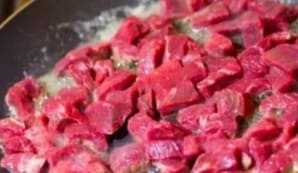
Causes of Stomach Pain after Eating Red Meat
If you are vulnerable to red meat allergy even minor quantity of its intake can lead to stomach pain.
As with other allergic reactions, it is not the protein present in red meat which causes allergic reaction, however on the other hand, carb present in red meat is to be blamed.
Body's body immune system acknowledges the carbohydrate to be foreign substance and starts to respond by producing histamine and antibodies. These substances respond with the body system and cause inflammation of digestive tract lining causing stomach cramps, vomiting, gases, diarrhea and so on.
Stomach pain in abdomen is likewise associated with intolerance of red meat. Intolerance towards a specific food takes place when enzymes produced by the body to break down the proteins in the food want.
Hence the protein present in red meat is not digested and as a result it causes inflammation and inflammation of stomach and intestinal tract. The speeding up symptoms might occur through bloating, gasses, and abdominal cramps few hours after eating red meat.
Identifying stomach or abdominal pain is one of medication's most complicated jobs, due in part to the numerous organs in this small area, including the spleen, kidneys, pancreas, appendix and digestive tract.
Even the Mayo Clinic's symptom checker suggests 10 different possible causes of abdominal pain activated by eating a specific food, a number of which are understood digestive diseases.
In some cases, your pain might not even be related to the abdominal area. According to the University of Maryland Medical Center, a basic infection like the influenza or strep throat can cause pain in lots of parts of your body.
Symptoms Of Stomach Ache After Eating Meat
Food poisoning after eating red meat is common. The symptoms of stomach pain, vomiting, diarrhea and nausea occur two to 6 hours after eating red meat contaminated with bacteria, toxin and other damaging bacteria.
Eating uncooked red meat, meat prepared without taking sanitary preventative measures is more vulnerable to cause food poisoning symptoms.
Consuming excess of red meat in one meal can likewise be a basic factor for causing discomfort and pain in abdomen. Too much of red meat might take some time to be processed by enzymes. If the meat remains for a longer time without being processed, it might cause irritation in the gut causing cramps and gases in stomach and intestine.
Digestive diseases impact an approximated 70 to 75 million Americans. In 2004, approximately 104 million individuals went to the emergency situation department for a digestive condition.
Illnesses caused or set off by eating include chronic constipation, reflux disease, intestinal infections, inflammatory bowel disease, irritable bowel syndrome and more.
Gastritis is defined by inflammation in the lining of the stomach. Gastritis can be caused by a bacterial infection, autoimmune condition, long-term use of pain medications and more.
Symptoms include indigestion, heartburn and abdominal pain. The University of Maryland recommends that gastritis patients prevent red meat and take in lean meats rather.
The Mayo Clinic reports that irritable bowel syndrome, IBS, is a typical condition defined by unusual muscle contractions in the bowel. Specific foods are understood to set off a flare-up for some IBS sufferers.
If you've just experienced pain after eating red meat one time, you may wish to consider a foodborne disease as the cause. The NDDIC discusses that foodborne illnesses are caused when your food is contaminated with bacteria, parasites or infections. Hazardous chemicals used during harvest or processing can set off abdominal pain.
Symptoms of a food-borne illness include belly pain, diarrhea, fever, vomiting, cramps and more. The NDDIC reports that raw foods are the most common source of foodborne disease, and red meat is among the foods usually acquired in raw kind, along with veggies, fruit and poultry.
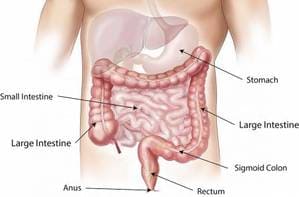
Protein and Fat
While your body is fully equipped to absorb protein and fat, there are occasions when these nutrients might cause an indigestion.
Protein foods keep you feeling full better than other type of food, inning accordance with the European Food Information Council.
If you've consumed excessive meat, however, it might being in your stomach longer and make you feel very complete and uncomfortable. High-fat foods, such as a fatty steak, also hold-up stomach clearing and may cause abdominal discomfort.
Food Allergy
You can establish an allergic reaction to food at any time, even if it's a food you've been eating all your life, like meat, according to the American College of Allergy, Asthma and Immunology. While symptoms may differ, they may include abdominal cramping or vomiting.
Symptoms normally take place within minutes of eating the food however can use up to two hours to appear. If you think your stomach pain is because of an allergic reaction to meat, you have to consult your doctor for a diagnosis.
Food Poisoning
If your meat was dealt with incorrectly or not cooked to a proper temperature, it might make you ill. Each year almost 50 million Americans get food poisoning, according to the National Institute of Diabetes and Digestive and Kidney Diseases.
Meats can be polluted with a range of different organisms that may make you ill to your stomach, consisting of salmonella, E. coli or listeria. Abdominal pain, vomiting and diarrhea are common symptoms of food poisoning and might last a few hours or as much as a few days.
When treating stomach pain, the University of Maryland recommends drinking clear liquids, like tea or broth. Avoid eating solid food for the first few hours after symptoms appear. Avoid high-fat foods and foods that are fried or oily, both which are ways that red meat can be prepared. Do not take any pain medication unless particularly purchased by your doctor. Certain pain medications can intensify your stomach and get worse symptoms.
What to Do
How you handle the pain after eating red meat like beef or lamb depends on the cause. If your stomach pain is because of indigestion from eating excessive or meats that are too rich in fat, you might want to limit your portion size or eat lower-fat meats.
A food allergic reaction requires that you eliminate the irritant from your diet to avoid additional symptoms. If your stomach pain is caused by food poisoning, taking safety measures when you prepare meat, such as cleaning your hands and cooking it to the advised temperature, may help avoid another incident.
Preventing Stomach Pain Due to Red Meat
If you suffer erratic episode of stomach pain after eating red meat, this might be just due to minor deviation from health caused as a result of eating in excess. In such situation offering rest to stomach and intestinal tract for few hours will gradually relieve the issue.
If red meat allergic reaction is presumed to be the cause, prevent eating red meat in your diet to avoid further episodes. Rather of red meat there are different other alternative foods to provide equivalent quantity of nutrients. Attempt to eat eggs, chicken, fish and other breast meat products.
Prevent eating raw or half prepared red meat to prevent stomach pain food poisoning. Keep great personal hygiene. Wash your hands with soap and water after visiting toilet. Do not eat red meat which is not cooked in good hygienic conditions.
Health Tips
Why do I get a stomach ache after eating meat? No easy answer. Might be the quantity, ulcer, diseases of the intestine, pancreas, Constipation. If it relentless, specifically if accompanied by weight loss, vomiting, bloating, blood from the bottom seek help instantly.
Do not forget an internet chat is not a replacement for a conversation with your very own, relied on healthcare specialist.
Under regular circumstances, what you eat ought to not make you feel sick. If eating meat gives you a stomachache, it might be something as basic as indigestion from too much fat or protein or something more serious such as an allergy or food poisoning. Consult your doctor if the pain is a chronic problem.
Q&A about the pain in stomach caused by eating red meat
Why would my stomach hurt after eating steak?
The most common complaint of abdominal pain and discomfort is from people who have eaten raw or rare steak. As tasty and appetizing as it may seem, there are often NO harmful bacteria, such as shigella, giardia, staphylococcus aureus, and beef tapeworm, in the steak. Once in a favorable environment (your digestive system), they begin to develop and cause food poisoning and inflammation. This is expressed by symptoms such as stomach and/or intestinal pain, digestive problems, loss of appetite, etc. You should see your doctor to have a number of tests done and to prescribe a treatment.
Can my stomach be sensitive to meat?
Yes, it is possible. It could be that you digested food normally as a child, but that the body "crossed the threshold" with lifestyle and dietary changes and you have painful symptoms and cramps after consuming meat (most often red, fried meat). It's worth seeing a doctor and a nutritionist to determine what you can eat and in what quantities.
Can red meat trigger IBS?
Yes, it is quite realistic. Scientists have found that red meat can trigger intestinal problems, including IBS. If you feel that you have digestive problems and even experience pain after eating red meat fried, we recommend that you change your diet and consume it cooked or as a stir-fry. Also try to consume less animal fat. The exception is mutton fat (fat from sheep's tail). It is good for you.
Can you be intolerant to red meat?
Unfortunately, it is possible. Meat, like most foods, can be intolerant to some people. Red meat is quite aggressive on the digestive system. And while most people who experience problems after consuming cattle meat can be advised to roast it better, or boil it, or simply reduce the amount of meat they consume, for people with an intolerance to red meat, we can only advise not to torture themselves and replace red meat with fish and poultry meat.
What are the side effects of eating too much meat?
Many people who pay attention to their health and nutrition in particular know that eating too much red meat is wrong and can have negative health consequences. We're not talking about raw or uncooked steaks and barbecue right now – we've already mentioned that above. But in general – about the constant excessive consumption of beef meat. Studies note that often eating too much red meat can cause cardiovascular disease, cause type 2 diabetes, cause stomach or intestinal cancer, etc. So, the foundation in nutrition is moderation.
How much red meat is too much?
That's a good question. If you take an adult with a desk job or, drivers, you should not exceed a weekly allowance of 12-20 ounces of a red meat (about 2-3 servings of meat per week). However, if a person is engaged in physical labor or athletes with heavy physical exertion, they are allowed to double that limit. Although it is worth noting that many athletes who pay special attention to their diet prefer fish and poultry to red meat.
Source: https://iythealth.com/stomach-pain-eating-meat/

Publicar un comentario for "Why Does Eating Beef Make My Stomach Hurt"